Category: Restaurant

  • How Restaurants Create Unique Dining Experiences for Customers

    How Restaurants Create Unique Dining Experiences for Customers

    Creating a unique dining experience is essential for restaurants aiming to stand out in a competitive market. By focusing on various aspects that engage and delight customers, restaurants can deliver memorable experiences that encourage repeat visits and positive word-of-mouth. Here’s how restaurants achieve this:

    1. Innovative Menu Options

    Restaurants can set themselves apart by offering innovative and diverse menu options. Incorporating seasonal, locally sourced ingredients not only enhances flavor but also supports sustainability. Unique dishes or fusion cuisines allow chefs to showcase creativity and cater to adventurous diners seeking something new.

    2. Personalized Service

    Exceptional customer service is key to a memorable dining experience. Training staff to provide attentive and personalized service ensures that guests feel valued. Remembering regulars’ preferences, suggesting wine pairings, and accommodating dietary restrictions demonstrate a commitment to customer satisfaction and create a welcoming atmosphere.

    3. Themed Environments

    Creating a themed environment can transport customers to another world. Whether it’s vintage decor, a rustic setting, or a vibrant tropical vibe, thematic elements enhance the dining atmosphere. Thoughtful design, lighting, and decorations contribute to an immersive experience that aligns with the restaurant’s concept.

    4. Interactive Dining Experiences

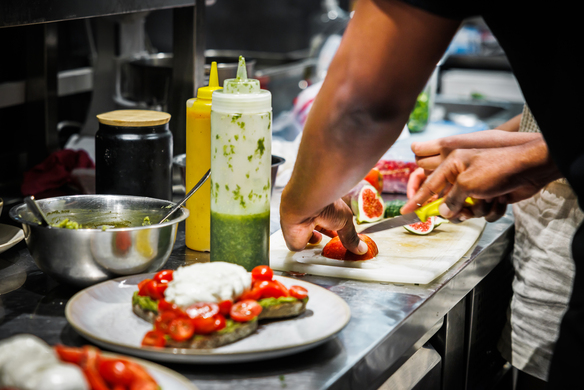
    Restaurants can engage diners by incorporating interactive elements into the dining experience. Open kitchens, chef’s tables, or cooking classes offer guests a behind-the-scenes look at meal preparation. This interaction not only entertains but also educates patrons, adding value to their visit.

    5. Unique Presentation

    How a dish is presented can elevate the dining experience. Chefs can use creative plating to make dishes visually appealing, turning meals into works of art. Incorporating unique serving vessels, such as slate tiles or wooden boards, adds to the aesthetic appeal and enhances the overall experience.

    6. Live Entertainment

    Live music, performers, or themed events can enrich a dining experience by adding an element of entertainment. Coordinating events like jazz nights or cultural performances fosters a lively atmosphere, giving customers more reasons to choose the restaurant for special occasions or casual nights out.

    7. Exclusive Tasting Menus

    Offering exclusive tasting menus or chef’s specials allows customers to explore a variety of flavors and dishes. These curated experiences guide diners through a culinary journey that highlights the chef’s skills and creativity. Pairing tasting menus with wine flights further enhances the sensory experience.

    8. Integration of Technology

    Incorporating technology can modernize and elevate the dining experience. Touchscreen menus, interactive tablets, or virtual reality elements provide novel ways for guests to engage with the menu or explore the restaurant’s offerings. Streamlined online booking and ordering systems also enhance convenience and efficiency.

    9. Exceptional Ambiance

    The ambiance of a restaurant plays a significant role in creating a memorable experience. Whether it’s soothing background music, dim lighting, or captivating artwork, every detail contributes to the dining environment. Creating a cohesive ambiance aligns with the restaurant’s theme and enhances the guest experience.

    10. Sustainability Initiatives

    Emphasizing sustainability can enhance a restaurant’s appeal, especially to environmentally conscious diners. Using eco-friendly practices, such as biodegradable packaging, reducing food waste, or sourcing sustainable seafood, demonstrates social responsibility. Sharing these initiatives with customers fosters a positive brand image.

    In conclusion, creating a unique dining experience involves a combination of innovative menu offerings, attentive service, and thoughtful ambiance. By incorporating interactive elements, embracing technology, and focusing on sustainability, restaurants can deliver memorable experiences that resonate with customers. These efforts not only set a restaurant apart but also inspire customer loyalty and positive reviews, ensuring long-term success in the competitive dining industry.

  • 10 Essential Tips to Run a Successful Restaurant Business

    10 Essential Tips to Run a Successful Restaurant Business

    Running a successful restaurant requires a blend of creativity, strategic planning, and effective management. Here are ten essential tips to help you thrive in the competitive restaurant industry.

    1. Prioritize Quality and Consistency

    Deliver consistently high-quality food and service. Ensure your dishes are prepared to the same standard every time, and train staff to maintain a uniform level of service. Consistency builds trust and encourages repeat visits.

    2. Understand Your Market

    Conduct market research to understand your target audience and local competition. Tailoring your menu, pricing, and marketing strategies to meet the preferences and needs of your customers enhances your restaurant’s appeal.

    3. Manage Finances Wisely

    Keep careful track of your financials, including costs, revenue, and profit margins. Regularly review these metrics to identify trends and make informed decisions. Efficient inventory management and cost control are key to maintaining profitability.

    4. Build a Strong Team

    Recruit and retain skilled, passionate staff who align with your restaurant’s values. Foster a positive work environment that encourages teamwork and open communication. Investing in staff training and development enhances performance and morale.

    5. Provide Outstanding Customer Service

    Train staff to deliver exceptional customer service by being attentive, friendly, and responsive. Positive interactions and personalized experiences create lasting impressions and encourage word-of-mouth referrals.

    6. Implement Effective Marketing

    Utilize a mix of digital and traditional marketing techniques to attract and retain customers. Maintain an active presence on social media, run promotions, and engage with your local community to increase visibility.

    7. Foster a Unique Brand Identity

    Develop a strong brand identity that reflects your restaurant’s unique concept and values. From logo and menu design to interior décor and marketing materials, ensure a cohesive and recognizable brand image.

    8. Adapt to Industry Trends

    Stay informed about evolving industry trends and adapt your offerings accordingly. Whether it’s incorporating plant-based options or embracing technology like online ordering, being flexible helps you stay relevant and competitive.

    9. Ensure Operational Efficiency

    Streamline operations to boost efficiency and reduce waste. Implement clear procedures, optimize kitchen workflows, and use technology to enhance order management and inventory tracking. Efficient operations lead to cost savings and faster service.

    10. Gather and Act on Feedback

    Encourage customer feedback through surveys, reviews, or direct interactions. Use insights to make improvements and demonstrate a commitment to customer satisfaction. Listening to your customers helps build loyalty and drives business growth.

    By focusing on quality, customer service, and strategic management, you can create a thriving restaurant business. These essential tips help you navigate the challenges of the industry while fostering growth, innovation, and success.