Author: admin

  • Why BBQ Restaurants Are Becoming a Favorite Dining Choice

    Why BBQ Restaurants Are Becoming a Favorite Dining Choice

    BBQ restaurants are gaining popularity as a top dining choice, appealing to a wide range of customers. Here’s why they have become must-visit spots for food lovers:

    1. Rich, Smoky Flavors

    BBQ cooking infuses dishes with rich, smoky flavors that are hard to replicate at home. The slow-cooking process over wood or charcoal creates tender, flavorful meats that are deeply satisfying. This distinctive taste experience draws diners seeking something unique and indulgent.

    2. Variety of Choices

    BBQ restaurants offer diverse menu options, from classic ribs and brisket to chicken, pork, and even vegetarian selections. This variety caters to different preferences and dietary needs, making it an appealing choice for groups with diverse tastes.

    3. Authentic Culinary Traditions

    Many BBQ restaurants emphasize authentic regional styles, such as Texas brisket, Carolina pulled pork, or Kansas City ribs. This dedication to tradition not only preserves culinary heritage but also provides diners with the opportunity to explore flavors from different parts of the country.

    4. Casual and Fun Atmosphere

    BBQ restaurants often boast a relaxed, welcoming atmosphere, ideal for casual gatherings and family outings. The informal setting encourages diners to enjoy hearty meals in a convivial environment, fostering positive social interactions.

    5. Generous Portions

    Known for their hearty servings, BBQ restaurants provide generous portions that offer great value for money. Diners appreciate the ability to enjoy a filling meal that often includes sides like cornbread, coleslaw, and baked beans.

    6. Perfect for Sharing

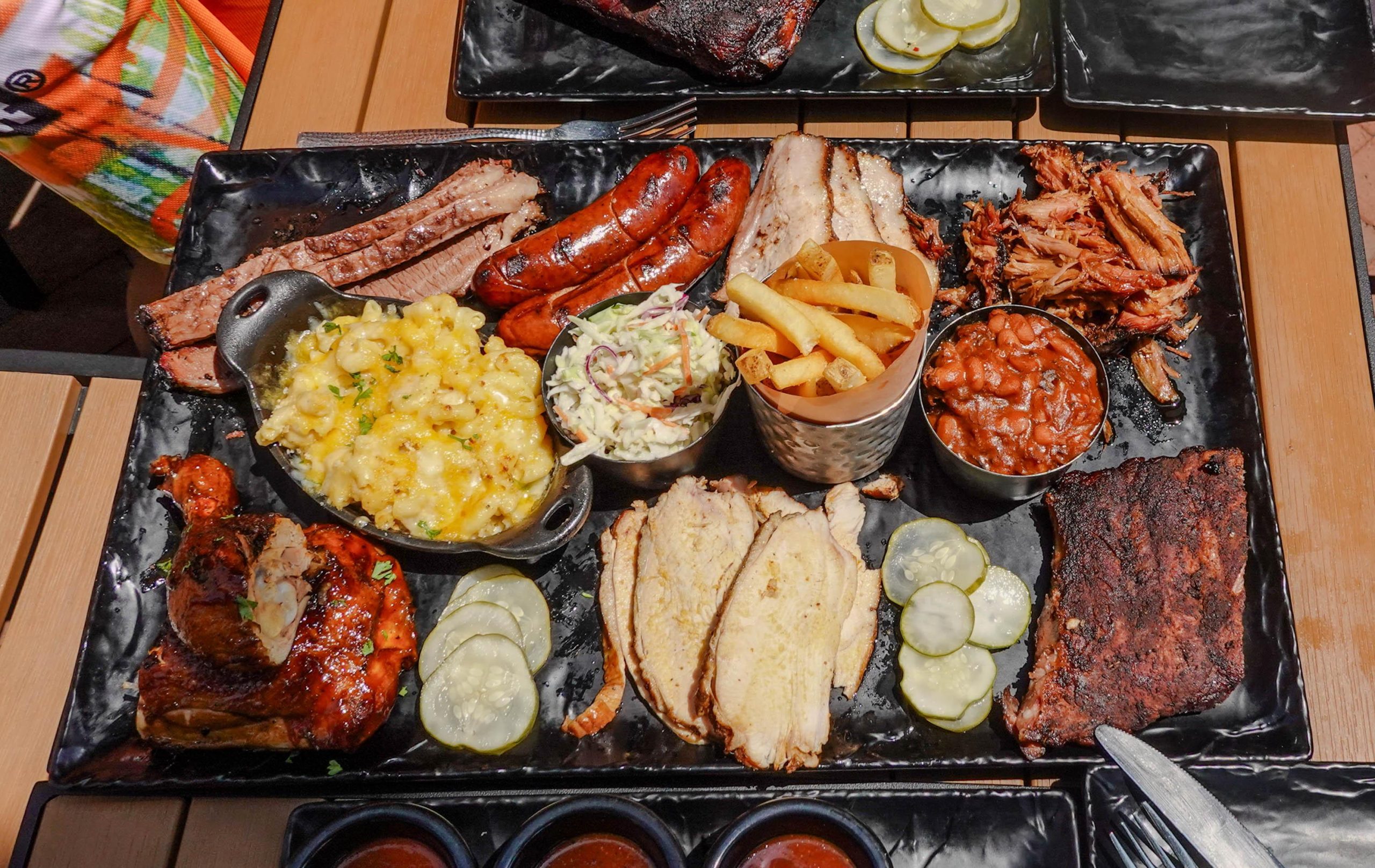
    BBQ meals are perfect for sharing, encouraging communal dining experiences. Platters that include a variety of meats and sides allow diners to sample multiple dishes, making BBQ an ideal choice for group dining and celebrations.

    7. Focus on Quality and Tradition

    Many BBQ establishments prioritize quality by sourcing high-quality meats and using time-honored cooking methods. This commitment to excellence elevates the dining experience and builds trust with customers, who return for the consistency and taste.

    8. Unique BBQ Sauces and Sides

    BBQ restaurants often feature unique homemade sauces and a variety of side dishes that complement the main attractions. From sweet and tangy to spicy and smoky, these sauces add depth and a personalized touch to each meal.

    9. Outdoor Dining Appeal

    With an emphasis on grilling and smoking, BBQ restaurants often offer outdoor seating, enhancing the dining experience by embracing the natural aromas of cooking. This alfresco setting is particularly popular during warmer months, providing a pleasant atmosphere for enjoying meals.

    10. Nostalgia and Comfort

    BBQ evokes feelings of nostalgia and comfort, reminiscent of backyard gatherings and family cookouts. This emotional connection enhances the dining experience, making people feel at home and creating lasting memories.

    In conclusion, BBQ restaurants have become a favorite dining choice due to their flavorful offerings, diverse menu options, and welcoming atmosphere. By maintaining a focus on quality, tradition, and communal dining, these establishments provide an experience that resonates with diners, ensuring they continue to be a beloved culinary destination.

  • The Ultimate Guide to BBQ: Tips for Perfect Grilling Every Time

    The Ultimate Guide to BBQ: Tips for Perfect Grilling Every Time

    Barbecuing is a beloved culinary tradition that combines the joy of cooking with the pleasure of eating outdoors. Achieving perfect grilling results requires understanding techniques, selecting quality ingredients, and having the right tools. Here’s your ultimate guide to mastering the art of BBQ.

    1. Choose the Right Grill

    The type of grill you use—charcoal, gas, or electric—can affect your BBQ experience. Charcoal grills offer a smoky flavor, while gas grills provide convenience and temperature control. Choose the one that suits your style, ensuring it is clean and in good working order before starting.

    2. Start with Quality Ingredients

    Select fresh, high-quality meats and vegetables for the best results. Look for well-marbled cuts of steak, fresh seafood, and vibrant produce. Marinate meats to enhance flavor and tenderness, using a mix of herbs, spices, and acids like lemon juice or vinegar.

    3. Preheat the Grill

    Always preheat your grill to ensure even cooking and prevent sticking. For gas grills, light it up and close the lid for about 10-15 minutes. For charcoal, let the coals heat until they are covered with white ash. Proper preheating creates a searing effect, locking in juices and flavors.

    4. Master Grilling Techniques

    Understanding basic grilling techniques is essential:

    • Direct Grilling: Ideal for quick-cooking items like burgers or vegetables, place them directly over the heat source.
    • Indirect Grilling: Perfect for larger cuts like roasts or whole chickens, place them away from the direct flame, using the grill as an oven.

    Utilize tools like tongs and spatulas for turning food without piercing it, preserving its juices.

    5. Use a Meat Thermometer

    To achieve the desired doneness, use a meat thermometer to monitor internal temperatures. This tool helps avoid overcooking and ensures safety. For example, steaks are typically 135°F (57°C) for medium-rare and 160°F (71°C) for well-done.

    6. Let Meats Rest

    After grilling, allow meats to rest for a few minutes before serving. This step lets juices redistribute within the meat, enhancing flavor and tenderness. Cover meats with foil during resting to maintain warmth.

    7. Experiment with Smoking

    Add depth and complexity to your BBQ by experimenting with smoking. Use wood chips like hickory, mesquite, or applewood to infuse meats with rich flavors. Soak chips in water before placing them on hot coals or using a smoker box on a gas grill for best results.

    8. Pay Attention to Sauces and Seasonings

    BBQ sauces and dry rubs elevate flavor profiles. Apply sauces during the last few minutes of grilling to prevent burning. Create and customize your own rubs using combinations of spices like paprika, garlic powder, and cayenne.

    9. Grill Vegetables and Fruits

    Enhance your BBQ spread with grilled vegetables and fruits. Bell peppers, zucchini, and corn develop delicious char and sweetness when grilled. Fruits like pineapple and peaches caramelize beautifully on the grill, adding freshness and variety to your meal.

    10. Practice Safety

    Grilling involves high heat and open flames, so safety is key. Keep a fire extinguisher nearby and never leave the grill unattended. Use long-handled utensils to avoid burns and ensure the grill is positioned away from flammable objects.

    In conclusion, perfecting your BBQ skills involves choosing the right grill, mastering techniques, and experimenting with flavors. By focusing on quality ingredients, proper grilling methods, and attentive seasoning, you can achieve delicious results every time. Whether you’re a novice or a seasoned griller, these tips will help you create memorable BBQ experiences for family and friends, bringing joy to every gathering.

  • How Restaurants Create Unique Dining Experiences for Customers

    How Restaurants Create Unique Dining Experiences for Customers

    Creating a unique dining experience is essential for restaurants aiming to stand out in a competitive market. By focusing on various aspects that engage and delight customers, restaurants can deliver memorable experiences that encourage repeat visits and positive word-of-mouth. Here’s how restaurants achieve this:

    1. Innovative Menu Options

    Restaurants can set themselves apart by offering innovative and diverse menu options. Incorporating seasonal, locally sourced ingredients not only enhances flavor but also supports sustainability. Unique dishes or fusion cuisines allow chefs to showcase creativity and cater to adventurous diners seeking something new.

    2. Personalized Service

    Exceptional customer service is key to a memorable dining experience. Training staff to provide attentive and personalized service ensures that guests feel valued. Remembering regulars’ preferences, suggesting wine pairings, and accommodating dietary restrictions demonstrate a commitment to customer satisfaction and create a welcoming atmosphere.

    3. Themed Environments

    Creating a themed environment can transport customers to another world. Whether it’s vintage decor, a rustic setting, or a vibrant tropical vibe, thematic elements enhance the dining atmosphere. Thoughtful design, lighting, and decorations contribute to an immersive experience that aligns with the restaurant’s concept.

    4. Interactive Dining Experiences

    Restaurants can engage diners by incorporating interactive elements into the dining experience. Open kitchens, chef’s tables, or cooking classes offer guests a behind-the-scenes look at meal preparation. This interaction not only entertains but also educates patrons, adding value to their visit.

    5. Unique Presentation

    How a dish is presented can elevate the dining experience. Chefs can use creative plating to make dishes visually appealing, turning meals into works of art. Incorporating unique serving vessels, such as slate tiles or wooden boards, adds to the aesthetic appeal and enhances the overall experience.

    6. Live Entertainment

    Live music, performers, or themed events can enrich a dining experience by adding an element of entertainment. Coordinating events like jazz nights or cultural performances fosters a lively atmosphere, giving customers more reasons to choose the restaurant for special occasions or casual nights out.

    7. Exclusive Tasting Menus

    Offering exclusive tasting menus or chef’s specials allows customers to explore a variety of flavors and dishes. These curated experiences guide diners through a culinary journey that highlights the chef’s skills and creativity. Pairing tasting menus with wine flights further enhances the sensory experience.

    8. Integration of Technology

    Incorporating technology can modernize and elevate the dining experience. Touchscreen menus, interactive tablets, or virtual reality elements provide novel ways for guests to engage with the menu or explore the restaurant’s offerings. Streamlined online booking and ordering systems also enhance convenience and efficiency.

    9. Exceptional Ambiance

    The ambiance of a restaurant plays a significant role in creating a memorable experience. Whether it’s soothing background music, dim lighting, or captivating artwork, every detail contributes to the dining environment. Creating a cohesive ambiance aligns with the restaurant’s theme and enhances the guest experience.

    10. Sustainability Initiatives

    Emphasizing sustainability can enhance a restaurant’s appeal, especially to environmentally conscious diners. Using eco-friendly practices, such as biodegradable packaging, reducing food waste, or sourcing sustainable seafood, demonstrates social responsibility. Sharing these initiatives with customers fosters a positive brand image.

    In conclusion, creating a unique dining experience involves a combination of innovative menu offerings, attentive service, and thoughtful ambiance. By incorporating interactive elements, embracing technology, and focusing on sustainability, restaurants can deliver memorable experiences that resonate with customers. These efforts not only set a restaurant apart but also inspire customer loyalty and positive reviews, ensuring long-term success in the competitive dining industry.

  • How to Choose the Best Food Restaurant for a Memorable Dining Experience

    How to Choose the Best Food Restaurant for a Memorable Dining Experience

    Choosing the right restaurant can transform a meal into a memorable experience. Whether celebrating a special occasion or simply looking for a satisfying culinary adventure, here are key factors to consider when selecting the best restaurant.

    1. Define Your Dining Goals

    Before making a choice, consider what you hope to achieve with your dining experience. Are you celebrating a special occasion, trying a new cuisine, or seeking comfort food? Defining your goals will help narrow down your options and guide your search.

    2. Research and Read Reviews

    Begin by researching potential restaurants online. Read reviews on platforms like Yelp, TripAdvisor, and Google to gauge customer satisfaction and gather insights. Pay attention to recent reviews and look for patterns in feedback regarding service, food quality, and ambiance.

    3. Consider the Cuisine

    Decide on the type of cuisine you’re in the mood for and explore restaurants known for that style. Authenticity and expertise in a particular cuisine can significantly enhance your dining experience. Make sure the menu offers options that cater to your preferences and dietary restrictions.

    4. Evaluate the Ambiance

    The ambiance of a restaurant sets the tone for your experience. Consider the décor, lighting, and noise levels. Whether you prefer a lively atmosphere or an intimate setting, choose a restaurant with an ambiance that complements your mood and occasion.

    5. Check Location and Accessibility

    Consider the restaurant’s location in relation to your plans. Proximity to attractions or convenient access via public transportation and parking options can influence your decision. A nearby location can make logistics easier, allowing you more time to enjoy the meal.

    6. Review the Menu

    Look at the restaurant’s menu online to ensure it offers a variety of options that appeal to you. Menus featuring fresh, seasonal ingredients or unique dishes can indicate quality and creativity. Verify that the menu includes options for any dietary needs or preferences.

    7. Assess Service Quality

    Good service enhances the dining experience. Research whether the restaurant is known for attentive and professional service. Friendly and knowledgeable staff who can assist with recommendations and accommodate requests contribute significantly to a memorable meal.

    8. Consider Pricing and Value

    Evaluate the pricing in relation to the restaurant’s quality and offerings. High prices should align with exceptional food, service, and ambiance. Look for restaurants that offer value for money, where the overall experience justifies the cost.

    9. Explore Recommendations

    Seek recommendations from friends, family, or culinary experts who share similar tastes. Personal endorsements provide valuable insights and can lead you to hidden gems. Consider local food blogs or social media influencers for curated lists of top dining spots.

    10. Make a Reservation

    Once you’ve selected a restaurant, make a reservation to secure your spot. This is especially important for popular or high-end establishments. Reservations prevent long wait times and ensure a smooth start to your dining experience.

    In conclusion, choosing the best restaurant for a memorable dining experience involves careful consideration of your goals, preferences, and practical factors. By researching options, evaluating reviews, and considering ambiance, cuisine, and service, you can select a restaurant that promises a delightful and unforgettable meal. Whether for a special celebration or an everyday treat, these considerations ensure your dining experience is enjoyable, satisfying, and truly memorable.

  • Top Things That Make a Food Restaurant Stand Out From the Competition

    Top Things That Make a Food Restaurant Stand Out From the Competition

    In a competitive industry, standing out is crucial for a restaurant’s success. Here are key factors that help a food establishment differentiate itself:

    1. Unique Culinary Concept

    Offering a distinct culinary concept or theme sets a restaurant apart. Whether it’s a fusion cuisine, unique ethnic dishes, or a farm-to-table approach, a clear concept can attract diners seeking novel and exciting experiences.

    2. High-Quality Ingredients

    Sourcing fresh, high-quality ingredients enhances the flavor and appeal of dishes. Using local, organic, or seasonal produce not only provides superior taste but also supports sustainability, resonating with conscious consumers.

    3. Exceptional Service

    Attentive, friendly, and knowledgeable staff elevate the dining experience. Training employees to provide personalized service ensures customers feel valued and enhances their overall satisfaction, leading to repeat visits.

    4. Inviting Ambiance

    Creating a welcoming and aesthetically pleasing environment invites customers to relax and enjoy their meal. Thoughtful design, lighting, and music contribute to a memorable atmosphere that matches the restaurant’s brand.

    5. Innovative Menu

    A creative and well-curated menu that caters to diverse tastes and dietary needs attracts a wider audience. Regularly updating offerings with seasonal specialties or limited-time dishes keeps the menu fresh and exciting.

    6. Consistency

    Delivering consistent quality in both food and service ensures customers know what to expect. Consistency builds trust and reliability, encouraging customers to return and recommend the restaurant to others.

    7. Strong Brand Identity

    A clear and compelling brand identity helps a restaurant resonate with its target audience. From the logo and menu design to marketing campaigns, a cohesive brand image reinforces the restaurant’s unique story and values.

    8. Positive Reputation

    Building a strong reputation through positive reviews and word-of-mouth marketing can significantly impact a restaurant’s success. Encouraging satisfied customers to share their experiences online can enhance credibility and attract new patrons.

    9. Community Engagement

    Active involvement in the local community through partnerships, events, or charitable initiatives enhances a restaurant’s image and builds goodwill. Community engagement fosters loyalty and shows a commitment to making a positive impact locally.

    10. Effective Marketing

    Leveraging social media, food blogs, and influencers to promote the restaurant increases visibility and attracts new customers. Creative marketing campaigns that resonate with the audience can set a restaurant apart from its competitors.

    By focusing on these key elements, a restaurant can stand out in a crowded market, attract new customers, and foster long-term success. Creating exceptional dining experiences rooted in quality, service, and innovation is essential for building a loyal clientele and thriving in the competitive restaurant industry.

  • 10 Essential Tips to Run a Successful Restaurant Business

    10 Essential Tips to Run a Successful Restaurant Business

    Running a successful restaurant requires a blend of creativity, strategic planning, and effective management. Here are ten essential tips to help you thrive in the competitive restaurant industry.

    1. Prioritize Quality and Consistency

    Deliver consistently high-quality food and service. Ensure your dishes are prepared to the same standard every time, and train staff to maintain a uniform level of service. Consistency builds trust and encourages repeat visits.

    2. Understand Your Market

    Conduct market research to understand your target audience and local competition. Tailoring your menu, pricing, and marketing strategies to meet the preferences and needs of your customers enhances your restaurant’s appeal.

    3. Manage Finances Wisely

    Keep careful track of your financials, including costs, revenue, and profit margins. Regularly review these metrics to identify trends and make informed decisions. Efficient inventory management and cost control are key to maintaining profitability.

    4. Build a Strong Team

    Recruit and retain skilled, passionate staff who align with your restaurant’s values. Foster a positive work environment that encourages teamwork and open communication. Investing in staff training and development enhances performance and morale.

    5. Provide Outstanding Customer Service

    Train staff to deliver exceptional customer service by being attentive, friendly, and responsive. Positive interactions and personalized experiences create lasting impressions and encourage word-of-mouth referrals.

    6. Implement Effective Marketing

    Utilize a mix of digital and traditional marketing techniques to attract and retain customers. Maintain an active presence on social media, run promotions, and engage with your local community to increase visibility.

    7. Foster a Unique Brand Identity

    Develop a strong brand identity that reflects your restaurant’s unique concept and values. From logo and menu design to interior décor and marketing materials, ensure a cohesive and recognizable brand image.

    8. Adapt to Industry Trends

    Stay informed about evolving industry trends and adapt your offerings accordingly. Whether it’s incorporating plant-based options or embracing technology like online ordering, being flexible helps you stay relevant and competitive.

    9. Ensure Operational Efficiency

    Streamline operations to boost efficiency and reduce waste. Implement clear procedures, optimize kitchen workflows, and use technology to enhance order management and inventory tracking. Efficient operations lead to cost savings and faster service.

    10. Gather and Act on Feedback

    Encourage customer feedback through surveys, reviews, or direct interactions. Use insights to make improvements and demonstrate a commitment to customer satisfaction. Listening to your customers helps build loyalty and drives business growth.

    By focusing on quality, customer service, and strategic management, you can create a thriving restaurant business. These essential tips help you navigate the challenges of the industry while fostering growth, innovation, and success.